Street Lighting Controller Connection Methods: NEMA, Zhaga-type, PCB & Wired
Choosing the right connection method between controller and luminaire
Last updated: 20 April 2026 / 4 min read
Choosing how to connect a lighting controller to a street luminaire affects installation cost, maintenance speed, upgrade flexibility, and long-term reliability.
Some methods are better for retrofit projects. Others are designed for new smart city deployments or OEM luminaire production.
This guide compares the most common controller connection methods used in street lighting: built-in PCB, NEMA, Zhaga-type, pole-mounted, and external wired solutions.
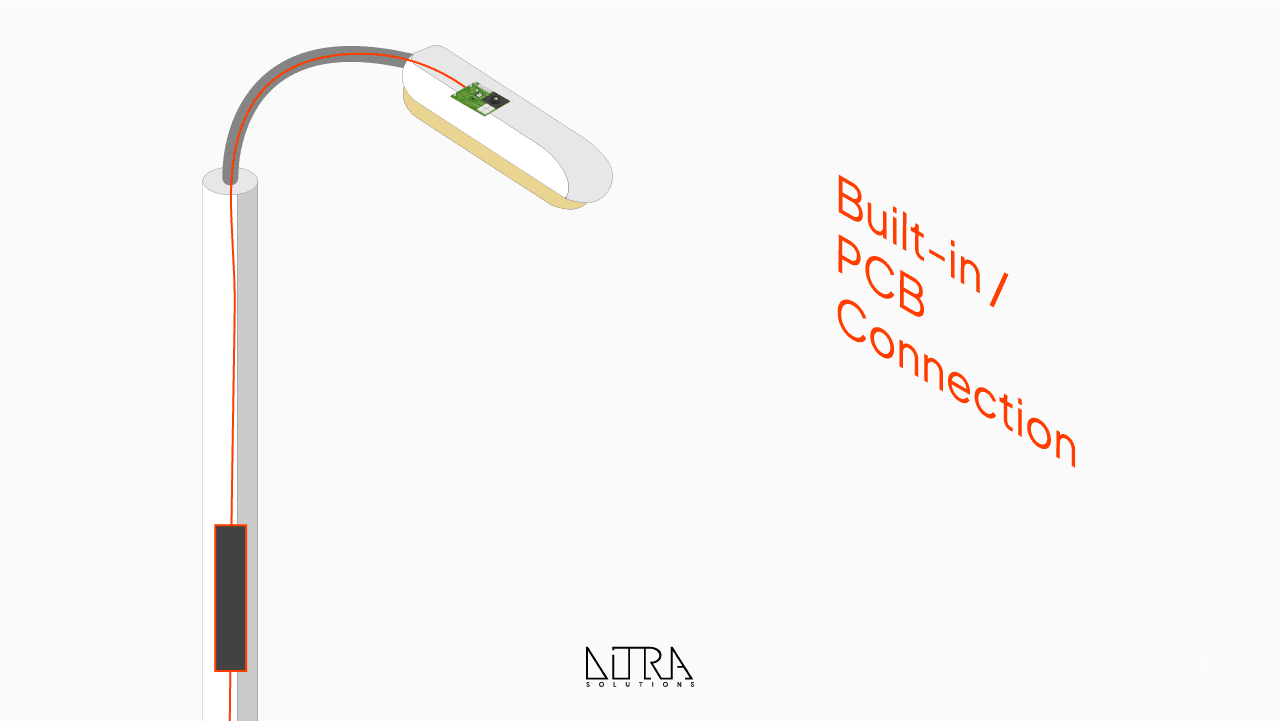
Built-in / PCB Connection
The controller is integrated into the luminaire housing and connected directly to the driver inside it (soldering, terminals, or connectors).
Pros:
- No need for standardized connectors (NEMA/Zhaga);
- Lower initial costs due to the absence of a housing;
- Maximum protection from moisture, dust, temperature, and vandalism;
- High durability.
Cons:
- To receive full warranty coverage for the luminaire, preliminary testing and integration coordination between the controller and luminaire manufacturers is required. Without such coordination, the luminaire manufacturer may refuse warranty service;
- Difficult replacement and expensive long-term maintenance;
- Since the connection is in series, there is a luminaire power limitation (1000W);
- Limited to PLC solution only.
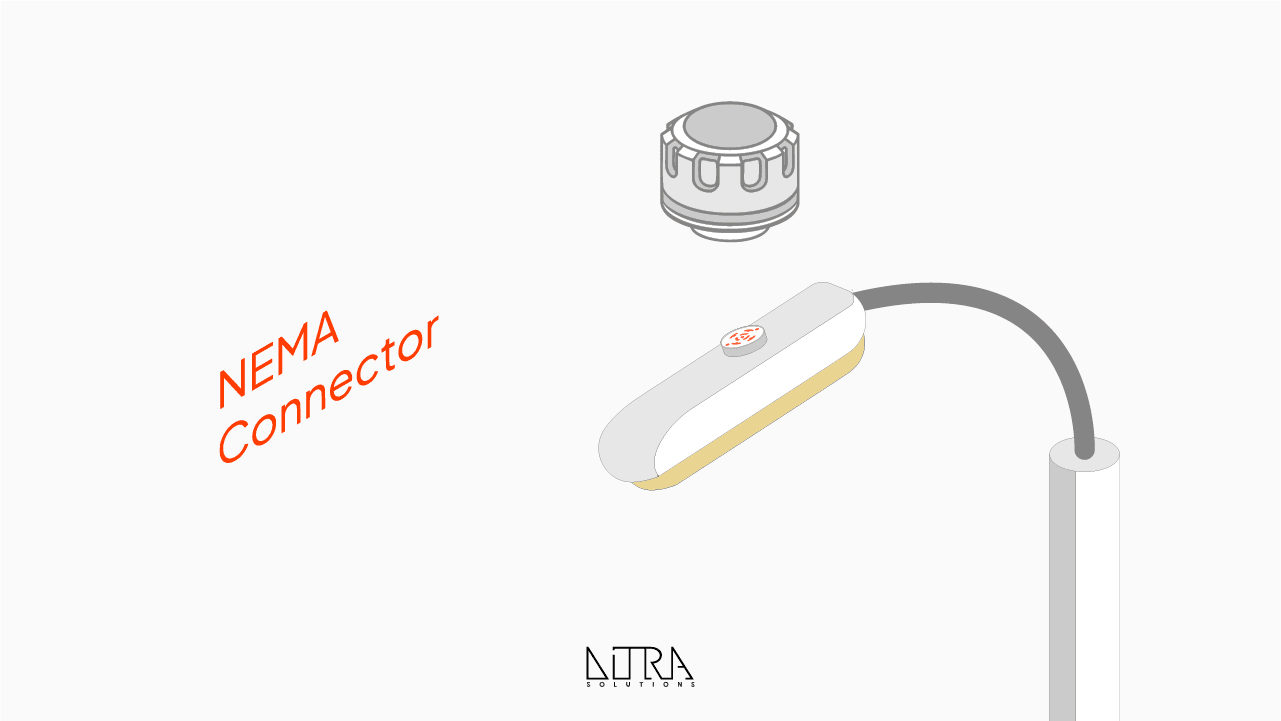
NEMA Connector
Standard twist-lock connector (5 or 7 pins). The controller is powered by ~220V AC and installed without opening the housing.
Pros:
- Plug & play — quick installation and replacement;
- Series connection, which means no special (often more expensive) luminaire driver is required that provides power for both the luminaire and the controller, as in the case of Zhaga;
- Supports radio, PLC, GSM.
Cons:
- Higher cost than PCB due to the special housing.
- Since the connection is in series, there is a luminaire power limitation (1000W).
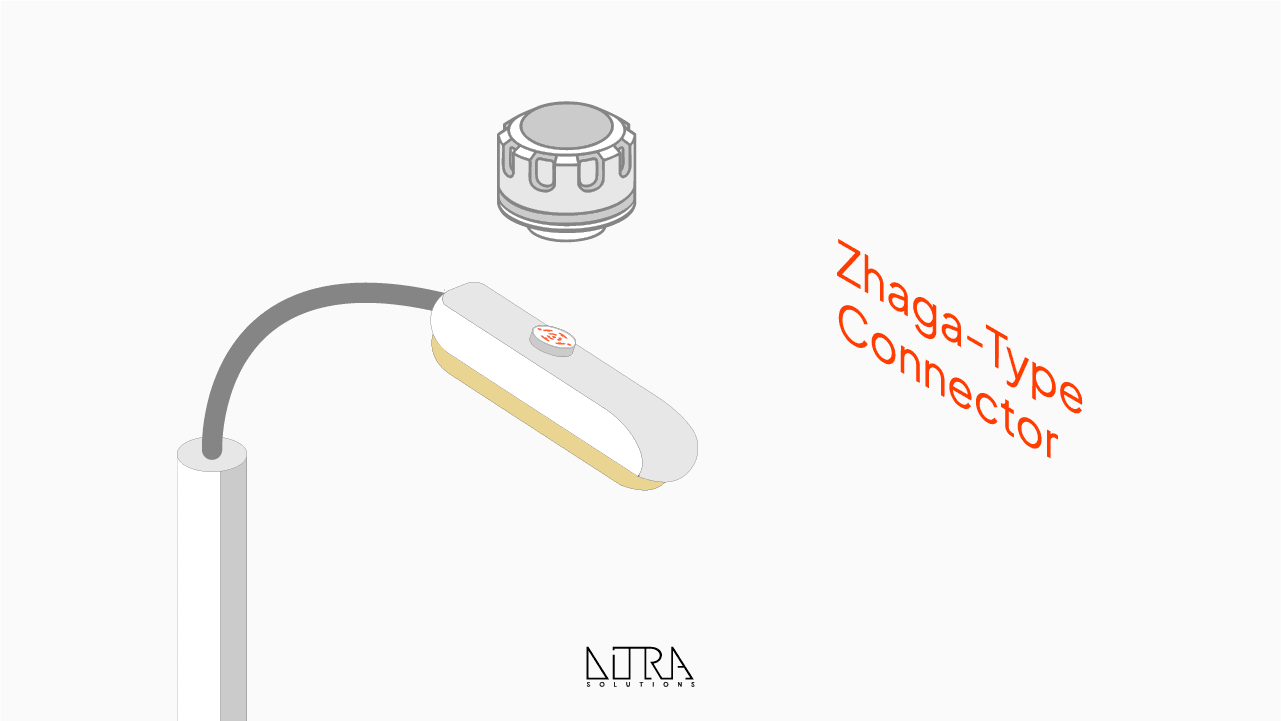
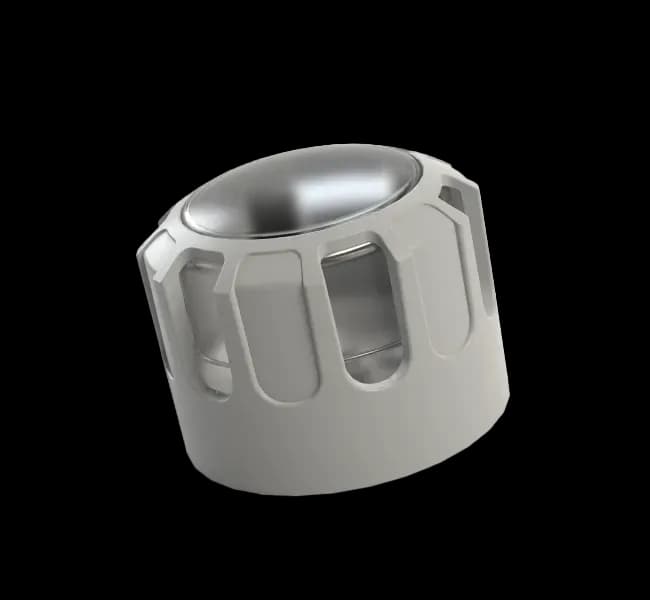
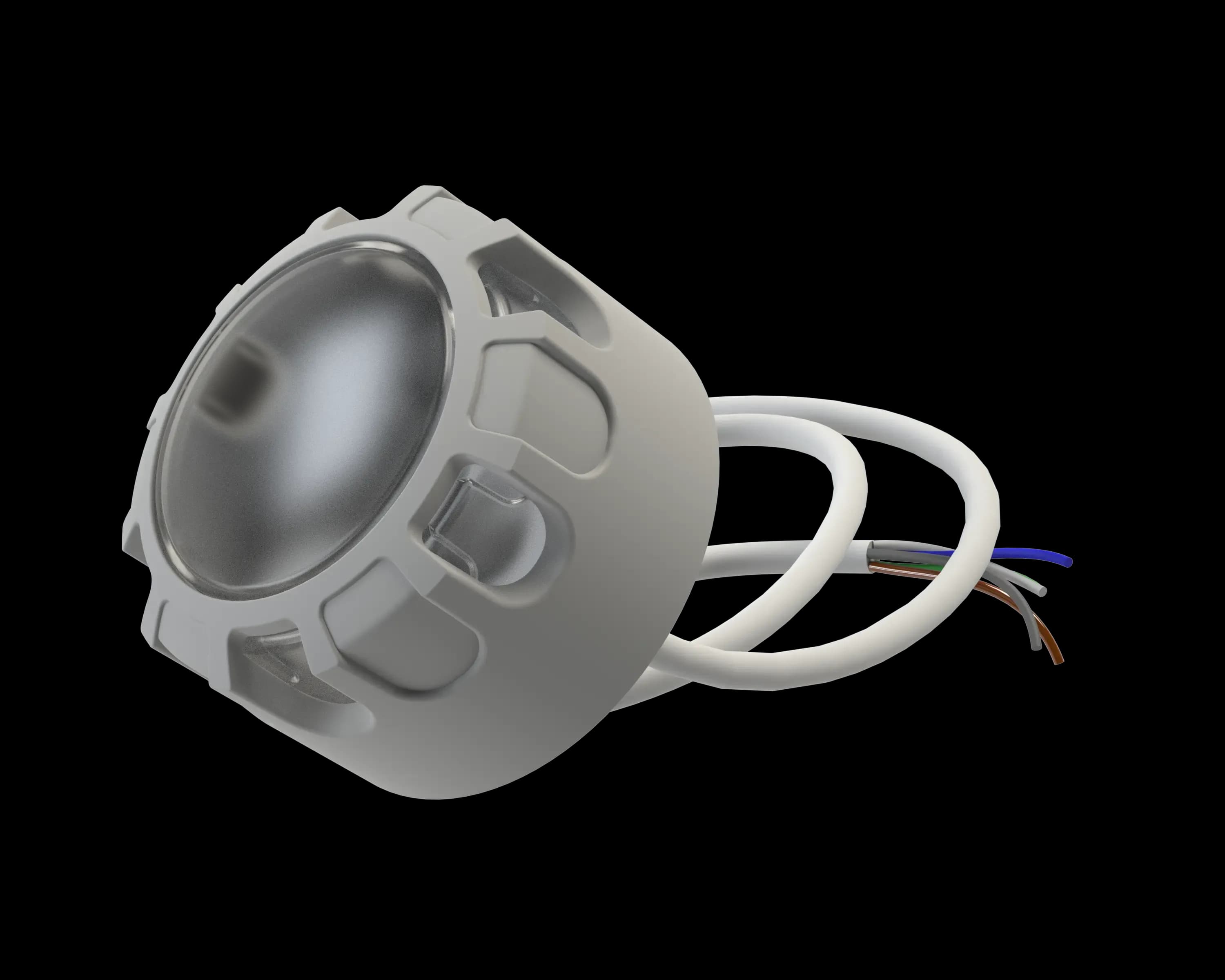
Zhaga-Type Connector
Compact modern connector with twist-lock mechanism. Compatible with DALI, DALI-2, DALI D4i drivers and powered by low-voltage line (up to 24–30V DC).
Pros:
- Works with any luminaire power;
- Plug & play — quick installation and replacement;
- Safer low-voltage connection;
- Supports radio, GSM.
Cons:
- Expensive solution. Requires special drivers (DALI-2/D4i);
- Higher cost than PCB due to the special housing.
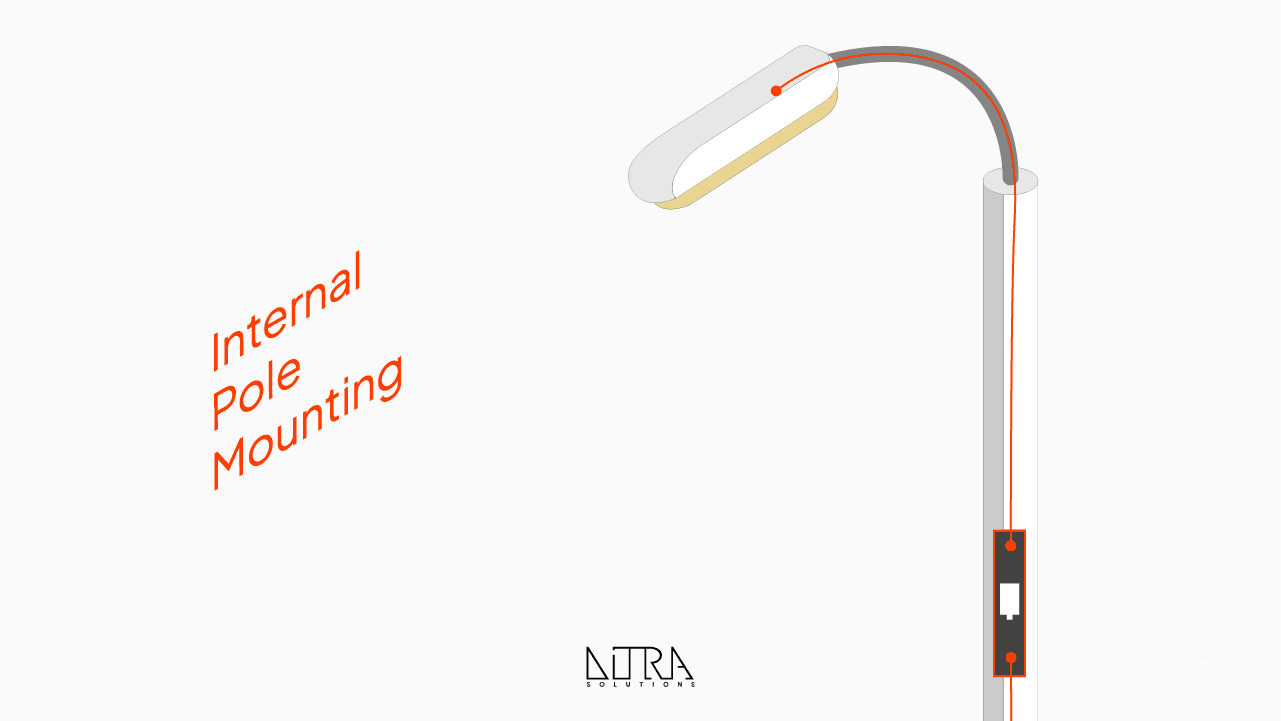
Internal Pole Mounting
The controller has its own housing but is placed inside the lighting pole. This solution requires no additional approvals while protecting the device from external factors.
Pros:
- Maximum protection from moisture, dust, temperature, and vandalism;
- High durability;
- No warranty coordination required with luminaire manufacturers; warranties are provided separately;
- Easy access during installation and replacement.
Cons:
- Limited to PLC technology;
- Slightly more expensive than PCB, but not as expensive as NEMA and Zhaga, since the housing is not a special outdoor-rated one.
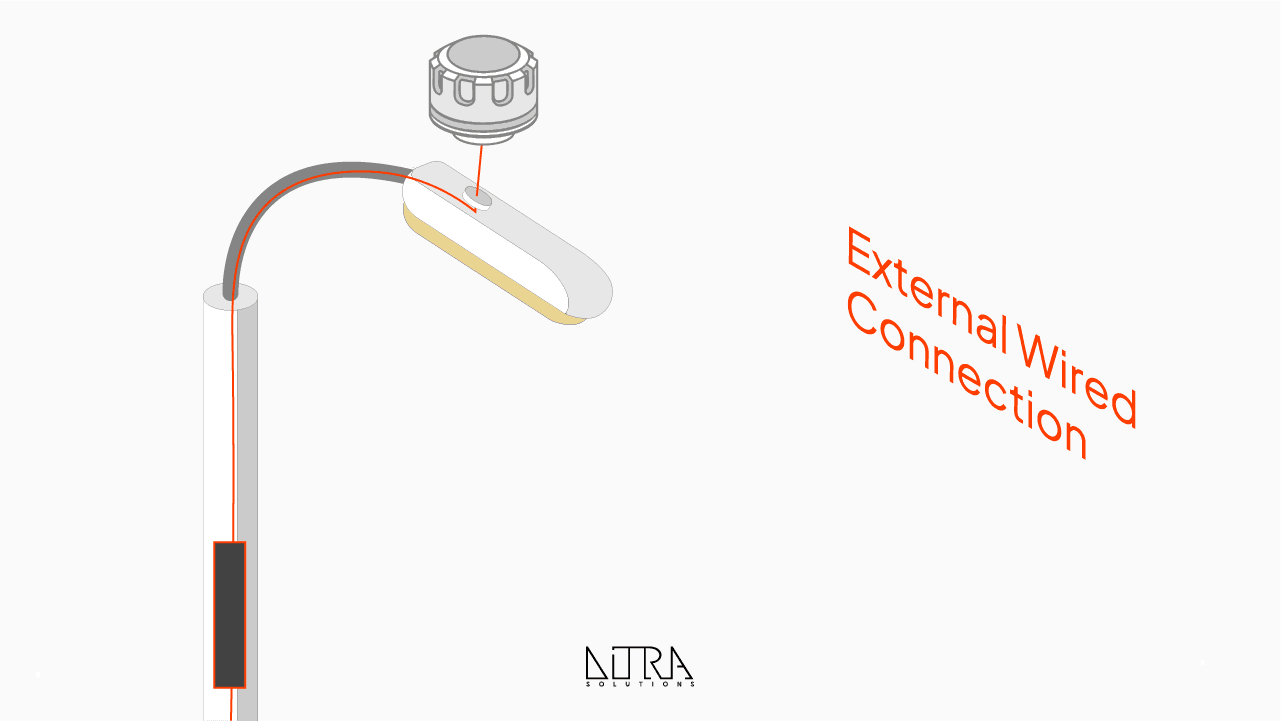
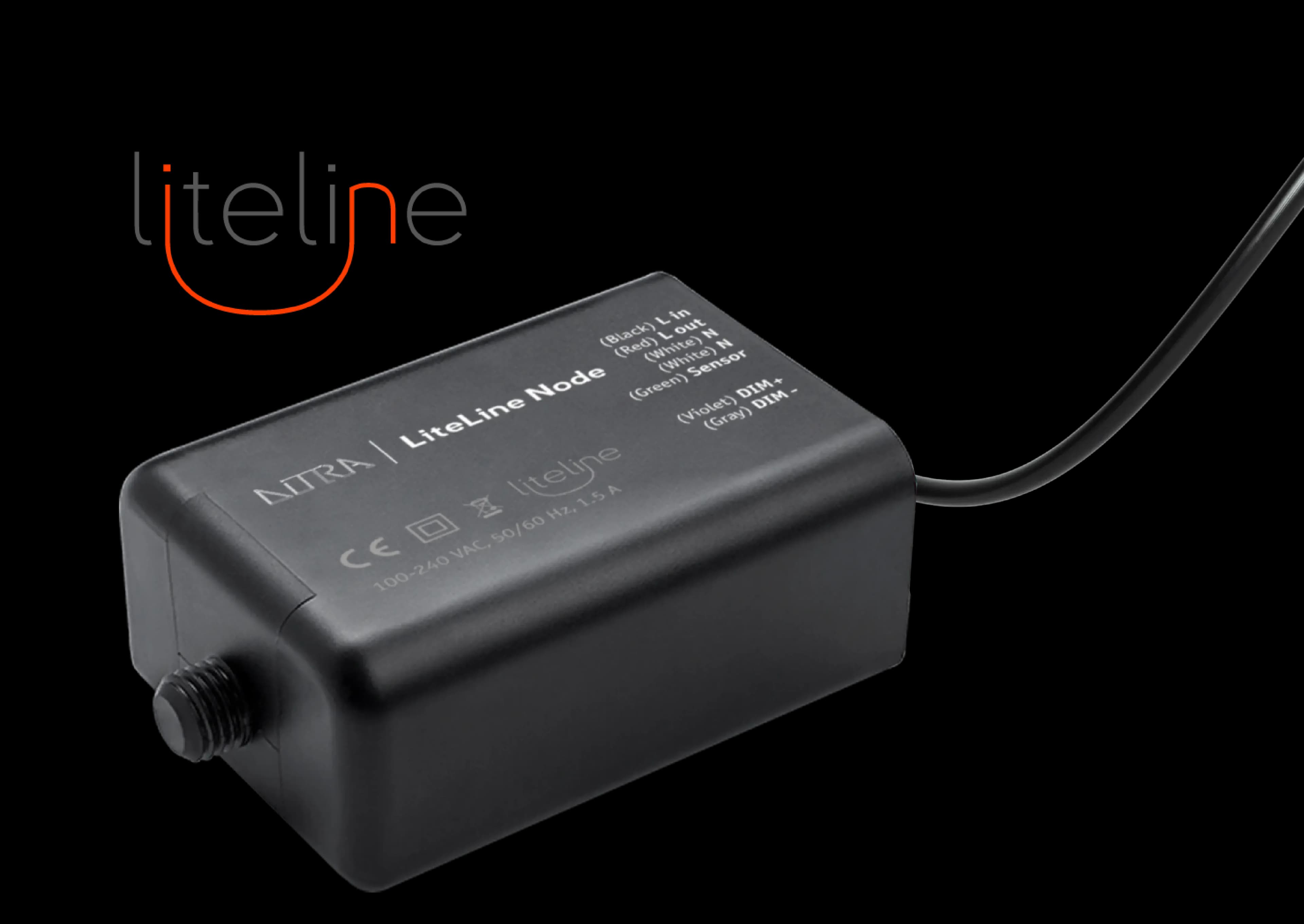
External Wired Connection
A type of streetlight controller installation where the controller is mounted outside the luminaire, but connected to the driver through a hole in the luminaire or pole.
Pros:
- No need to match luminaire with a specific NEMA or Zhaga socket;
- Supports various communication protocols such as Radio, GSM;
- Can be mounted anywhere on the pole or luminaire body.
Cons:
- Requires additional work to drill holes for cable routing;
- Slightly more labor-intensive for connection and; replacement compared to NEMA or Zhaga plug-and-play systems.

What to Consider When Choosing?
- Operating conditions — how important is protection from climate and vandalism.
- Safety — NEMA operates at ~220V AC, Zhaga at up to 30V DC.
- Manufacturer warranty — internal connections may void it.
- Maintenance and upgrades — NEMA and Zhaga simplify replacement and allow IoT sensor integration.
- Project budget — embedded solutions are cheaper initially but more expensive for service.
At DITRA Solutions, we pay special attention to housing reliability: all our outdoor installation solutions (NEMA and Zhaga) use special outdoor-rated housings and materials with enhanced resistance to moisture, dust, temperature fluctuations, and UV radiation.
Street Lighting Controller Connection Methods Compared
| Connection method | What it is | Supported comms | Key pros | Key cons / constraints | Electrical / power notes |
| Built-in / PCB connection | Controller integrated inside luminaire housing, connected directly to the driver (soldering/terminals/connectors) | PLC only | No need for NEMA/Zhaga-type; lower initial cost (no housing); maximum protection; high durability | Warranty coordination required or warranty risk; difficult replacement and higher long-term maintenance; series connection power limit | Series connection; luminaire power limit ~1000 W |
| NEMA connector (5/7-pin twist-lock) | Controller powered by ~220V AC, installed without opening housing | Radio, PLC, GSM | Plug & play; quick install/replacement; series connection means no special driver needed | Higher cost than PCB (housing); series power limit | ~220V AC; series connection; luminaire power limit ~1000 W |
| Zhaga-type connector | Low-voltage connector powered by driver low-voltage line (up to 24–30V DC) | Radio, GSM | Works with any luminaire power; plug & play; safer low voltage | Expensive; requires special drivers (Zhaga/D4i); | Up to 24–30V DC |
| Internal pole mounting | Controller in its own housing placed inside the pole | PLC only | Maximum protection; high durability; no luminaire-warranty coordination (separate warranties); easier access for install/replacement | Limited to PLC; slightly more expensive than PCB (but cheaper than NEMA/Zhaga) | Protected installation inside pole (no extra electrical spec stated) |
| External wired connection | Controller mounted outside luminaire, wired to driver through a hole in luminaire or pole | Radio, GSM | No need for NEMA/Zhaga socket matching; supports multiple protocols; flexible mounting location | Requires drilling / cable routing work; more labor vs plug-and-play systems | Depends on wiring approach; extra work for routing |