Smart Street Lighting Sensors for Adaptive City Infrastructure
Motion, daylight, and meteo sensors in adaptive street lighting
Last updated: 15 April 2026 / 8 min read
Why street light sensor matters in Smart City Street Infrastructure
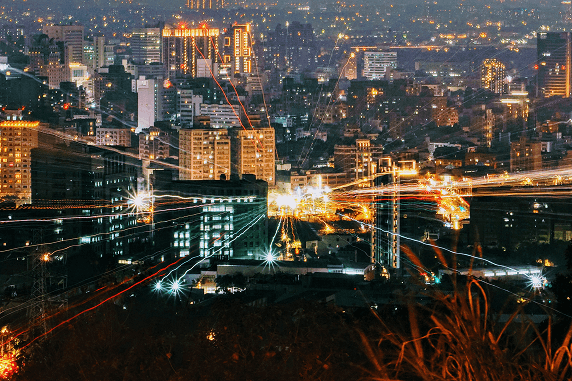
Street lighting is no longer just about illumination. Modern cities increasingly use lighting networks to reduce energy costs, improve road safety, and create a foundation for smart urban services.
As cities transition toward the Smart City model, infrastructure including energy, transport, communications, and lighting is becoming part of one interconnected system. According to the Smart Lighting Factsheet by the European Commission (2021), street lighting systems hold the greatest potential to serve as a “connectivity platform” for urban services.
This opportunity already exists in most cities. Lighting poles are distributed across streets, supplied with power, and often provide standardized mounting points. That means municipalities do not need to build a new network from scratch. Existing poles can host motion, daylight, and weather sensors, communication modules, and controllers, allowing digital services to scale faster with lower capital expenditure.
Today, cities allocate more than 20% of their energy budgets to lighting, while 75% of installed luminaires are over 25 years old and rely on outdated technologies. Upgrading to LED luminaires combined with intelligent control systems can reduce energy consumption by 50–70%.
Sensors play a central role in this transition. With the right sensors and controllers, street lights can respond automatically to movement, daylight levels, fog, rain, and traffic conditions in real time, improving safety, comfort, and operational efficiency.
This guide explains which street light sensors are most effective for adaptive street lighting, where they should be used, and how municipalities can scale projects using existing pole infrastructure.
Main types of street light sensors used in adaptive street lighting
Among the many sensor types used in street lighting systems, three categories form the foundation of adaptive control: motion sensors, daylight sensors, and meteo sensors. Their combined use delivers the most significant improvements in both energy efficiency and lighting performance.
Smart street lighting motion sensors for adaptive lighting
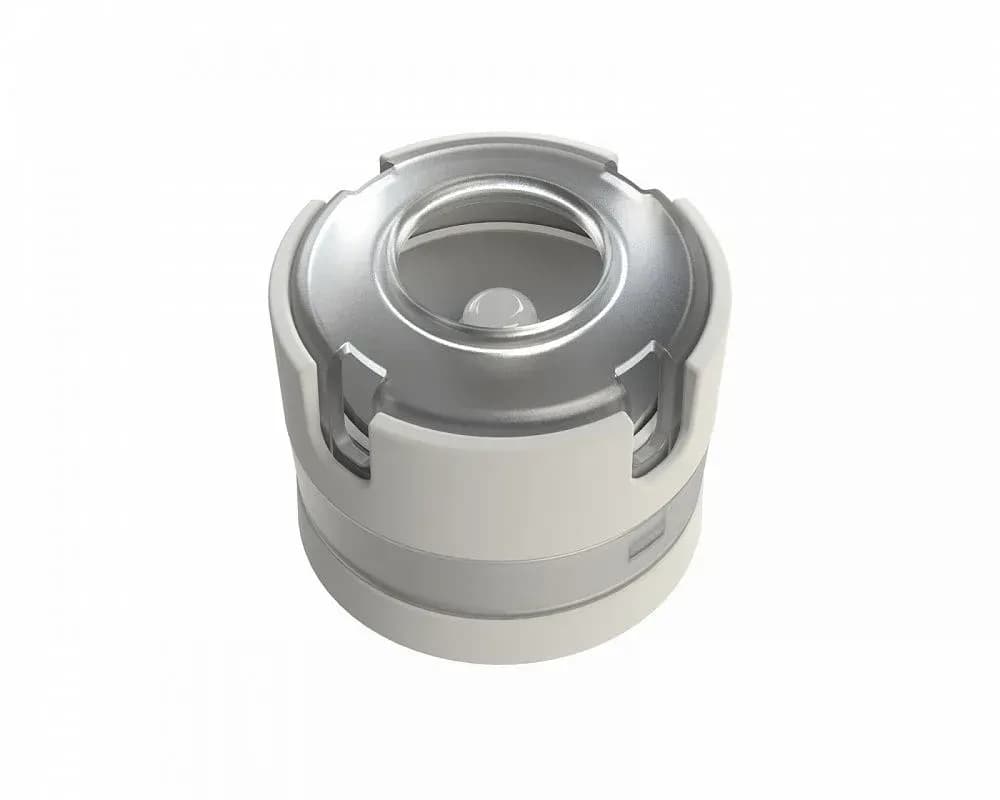
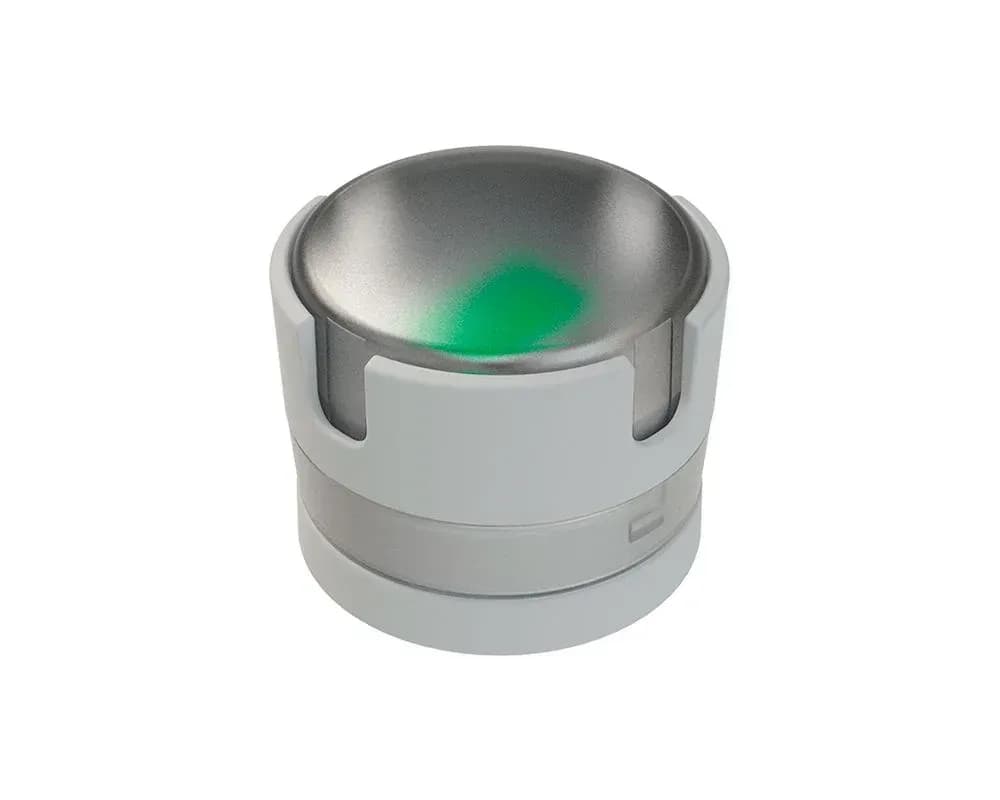
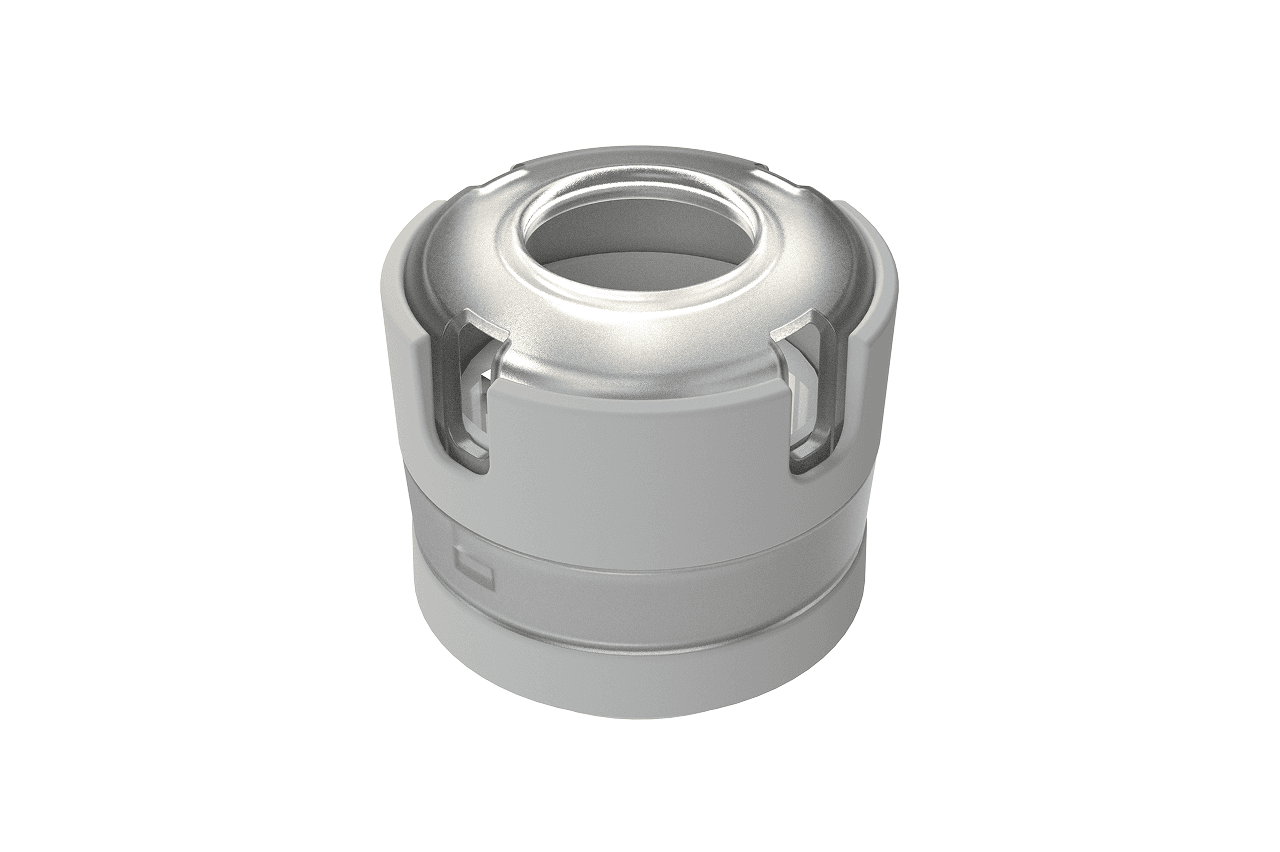
Adaptive lighting systems use two fundamentally different types of motion sensors — infrared (PIR) and microwave (MW).
Infrared motion sensor detects infrared radiation emitted by people, animals, or vehicles. When the temperature of a moving object differs from the ambient air, the sensor registers the change and signals the luminaires to increase brightness.
- Advantages: high accuracy in detecting humans and animals; immune to false triggers caused by vibration or wind.
- Limitations: reduced sensitivity in hot climates where asphalt or building surfaces reach temperatures similar to the human body, making detection less reliable.

Microwave motion sensor emits low-frequency microwave waves and analyzes the reflected signal. Movement within the detection area changes the frequency of the reflected wave (Doppler effect), which the sensor interprets as motion.
- Advantages: high sensitivity and range; capable of detecting motion through glass, plastic, or thin barriers; supports fine-tuning for detection area and sensitivity. Event transmission via DALI enables automatic dimming and presence-based lighting control.
- Limitations: strong penetration can lead to unwanted triggers from adjacent zones; excessive sensitivity may cause false alarms due to environmental movement (wind, precipitation). Does not maintain static presence detection, typically compensated with a hold-time timer.
Daylight sensors for smart street and tunnel lighting
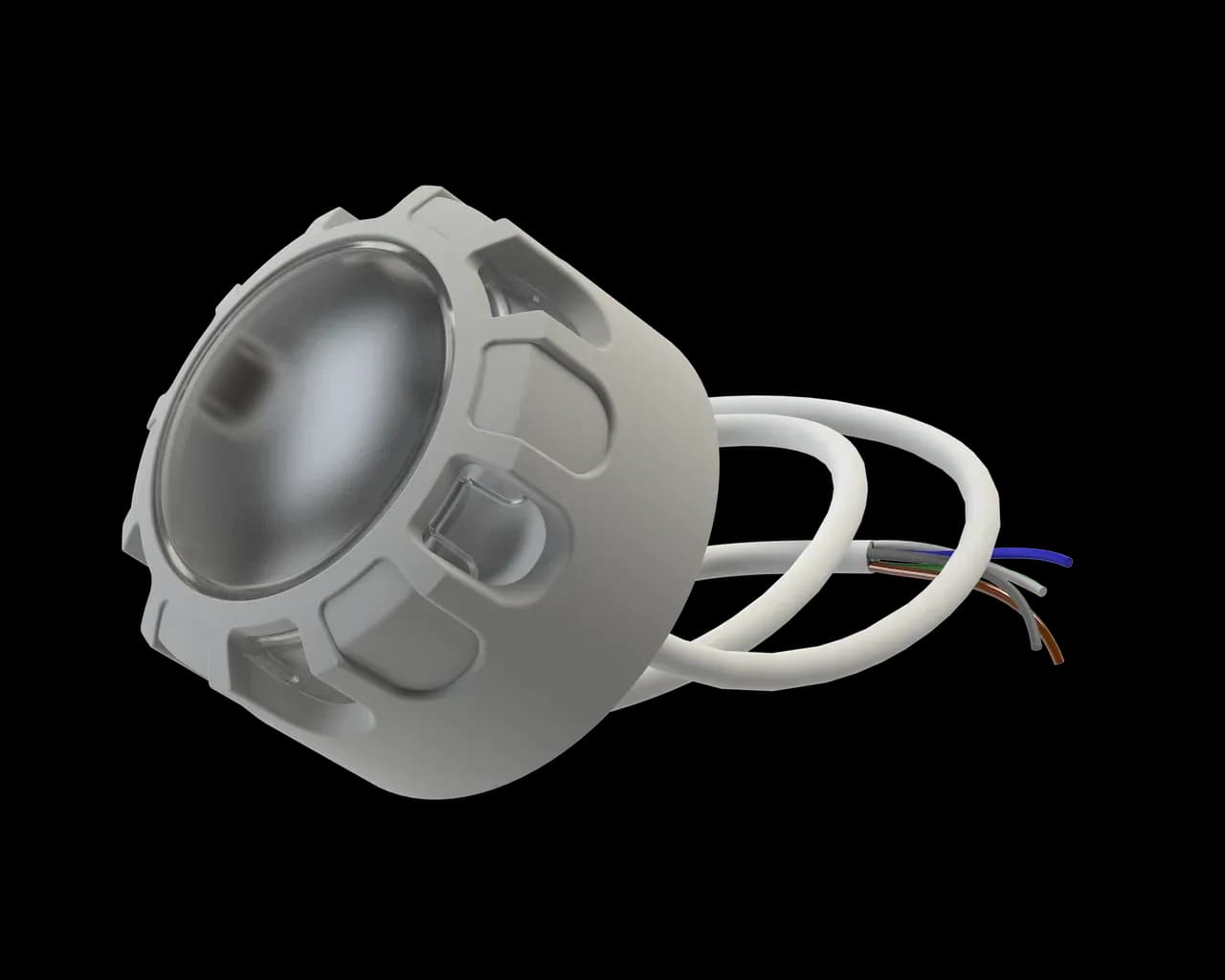
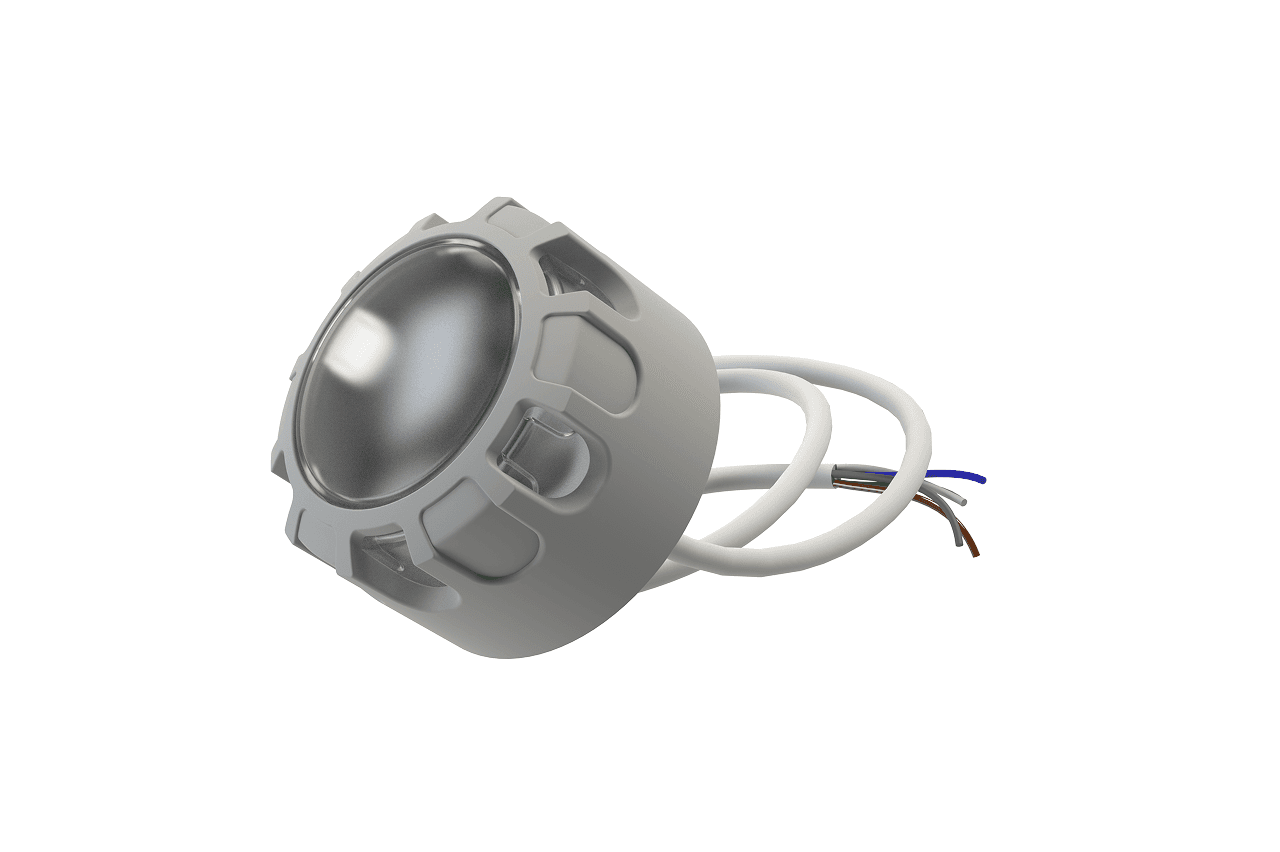
The DITRA Wire Daylight Sensor is a professional natural light sensor designed for outdoor and tunnel lighting. It precisely measures natural light levels and transmits data to the controller via RS-485 (Modbus-RTU), informing the control system when to switch lights on or off based on actual outdoor brightness levels, as well as how to adjust lighting scenarios and dimming levels in response to changing environmental conditions. In tunnels, it regulates lighting at entry and exit zones according to external brightness, ensuring driver safety and visual comfort.
- Limitations: measures illumination only at the installation point; incorrect placement (shadows, glare, reflections) may require relocation. Proper cabling and shielding of the RS-485 line are essential to prevent interference.
Meteo sensors in adaptive smart street lighting systems
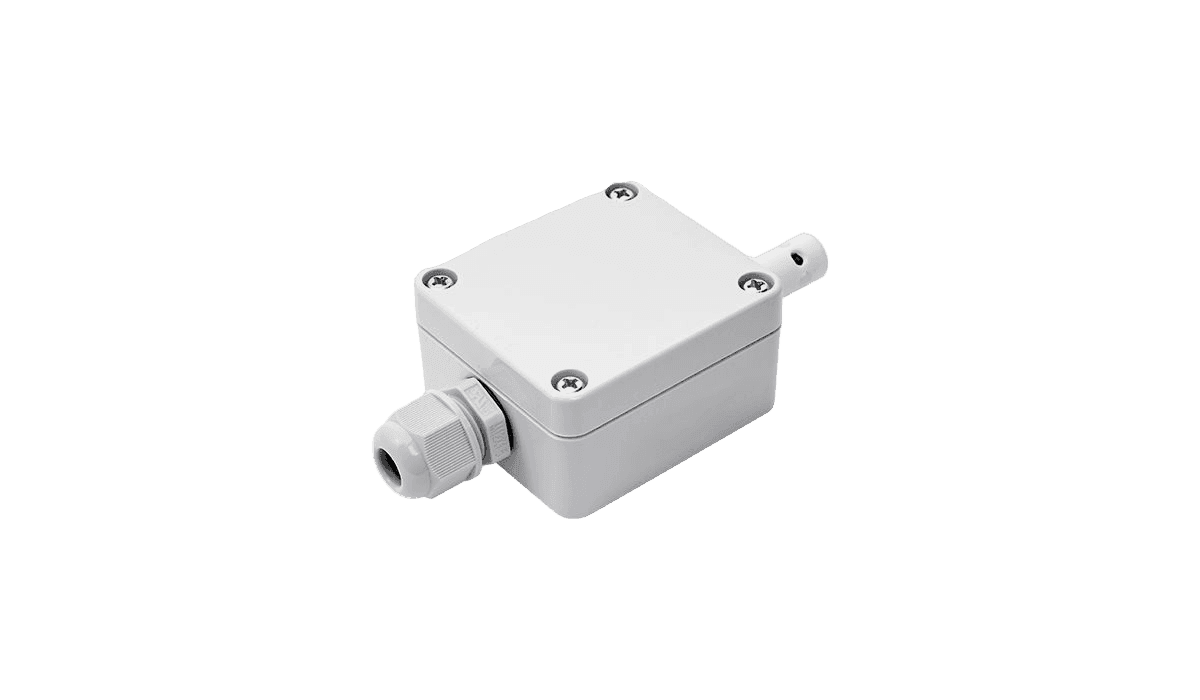
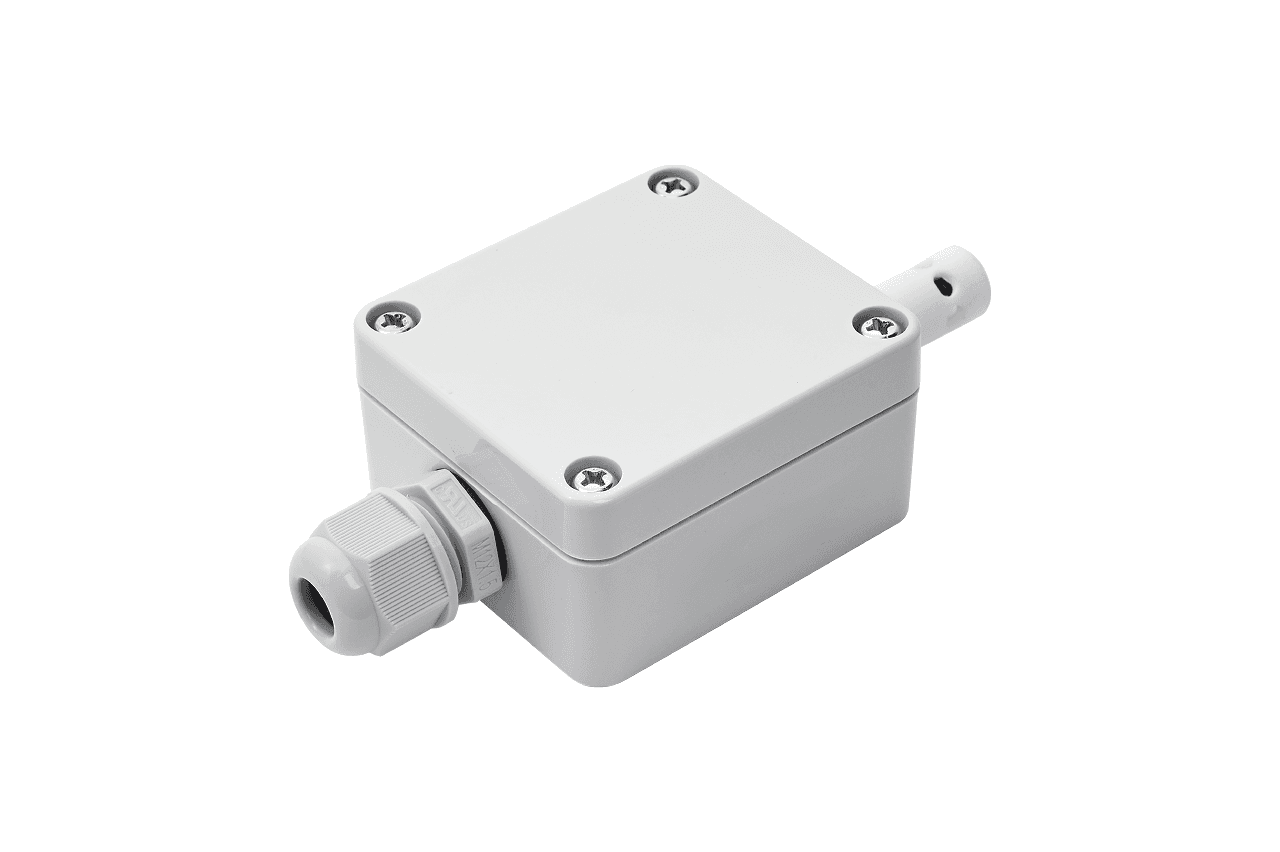
The DITRA Meteo Sensor is a compact weather sensor for Smart City and street lighting systems. It measures temperature, humidity, and atmospheric pressure, transmitting data to the controller via RS-485 (Modbus-RTU). These readings provide environmental context for adaptive control — increasing brightness during fog or precipitation and reducing levels in clear conditions. Through DITRA controllers, data are transmitted via GSM/Ethernet and aggregated within DITRA software on the customer’s server. Beyond lighting control, meteorological data can be used by municipalities for analytics (fog frequency, correlation with accidents or complaints, maintenance and energy planning).
Advantages: high-accuracy weather data make lighting truly adaptive, improving safety and comfort while reducing energy use and citizen complaints. The RS-485 (Modbus-RTU) bus enables easy integration with DITRA controllers and third-party systems, and remote configuration reduces on-site maintenance and speeds up commissioning.
Limitations: measurements reflect local microclimate — proximity to warm surfaces, stagnant air, or direct sunlight may shift readings, requiring proper sensor placement. The RS-485 line must be correctly terminated and shielded to avoid signal loss.
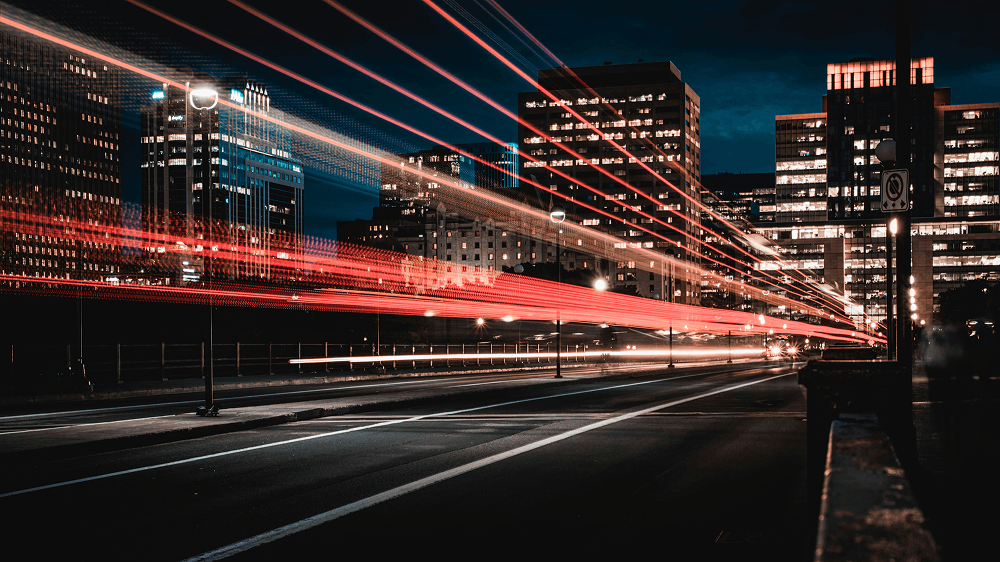
Connection and scalability
Our wired sensors use the RS-485 (Modbus-RTU) bus with a multidrop topology, allowing multiple sensors to operate on a single cable, each with its own address. This reduces cabling length and installation cost, simplifies expansion (add a sensor — assign an address), and ensures compatibility with DITRA controllers and third-party systems.
Sensors form the fundamental layer that connects lighting to the Smart City ecosystem. A single telemetry stream can simultaneously improve street visibility, optimize energy use, and enhance urban analytics. Data are aggregated within the DITRA Synergy Smart City integration platform, which can function either as an independent management layer or exchange data with existing municipal platforms through open API, ensuring high-level interoperability.
Case studies: Smart street lighting in action
Below are four concise case studies showing how sensors are applied in real projects, how they impact city infrastructure — from lighting behavior to operational workflows — and the measurable benefits after deployment, including improved safety, visibility, and reduced maintenance load.
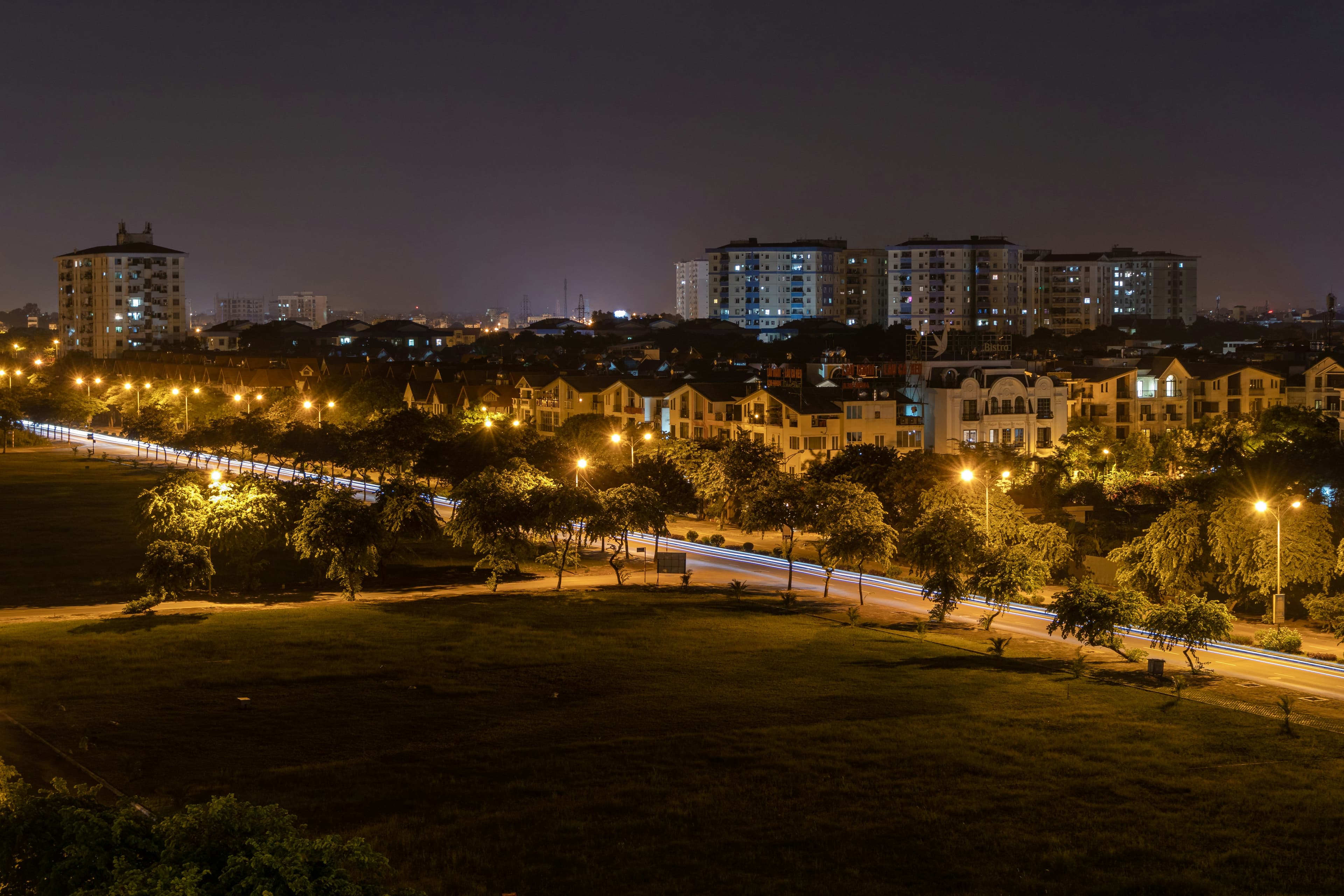
PIR Motion Sensor — Residential Area / Pedestrian Alley
Context: at night, luminaires operated constantly at 100%, leading to complaints about over-brightness and visual discomfort.
After implementation: one PIR sensor per pole group; base level at 30%, smooth increase up to 80–100% (adjustable) upon motion detection, then gradual dimming.
Benefit: improved comfort and visibility, fewer complaints, and energy savings without manual schedule adjustments.
MW Motion Sensor — Hotel Driveway / Parking Area
Context: glass structures and uneven traffic flow — important to detect vehicles before entry.
After implementation: the microwave sensor detects motion through glass and sends an early command to the controller to increase brightness; when no motion is detected, the network returns to base level.
Benefit: safer navigation and guest comfort, less time at full brightness, and reduced manual intervention.

Wire Daylight Sensor — Tunnel Portals
Context: during the day, the strong contrast between outdoor and tunnel lighting can cause driver glare; at night, overly bright entry lighting can create discomfort during eye adaptation.
After implementation: sensors at both tunnel entrances and exits measure actual outdoor brightness, allowing the controller to automatically adjust lighting in threshold zones for smooth visual transitions between outdoor and tunnel lighting.
Benefit: improved driver safety and comfort by eliminating sharp brightness contrasts and ensuring compliance with visibility standards.
Meteo Sensor — Coastal Highway and Bridge
Context: fog and drizzle reduced visibility, leading to increased complaints.
After implementation: the meteo sensor (temperature, humidity, pressure) provides context — when visibility drops, brightness increases; during clear weather, levels are reduced. Events and telemetry are transmitted to the CMS.
Benefit: improved safety, optimized energy use during clear nights, fewer visibility complaints, and valuable analytics for urban planning.
Adaptive lighting is not just about energy efficiency — it’s about building smarter and safer urban environments. With motion, daylight, and meteo sensors working together, lighting becomes a responsive part of city infrastructure, continuously adapting to people, weather, and context.
DITRA’s ecosystem of controllers and sensors provides the foundation for scalable Smart City lighting — efficient, reliable, and ready for future integration.
If you’re planning a Smart City or adaptive lighting project, we’ll be glad to share our experience and help you choose the right technical solution.
Comparison table: Street lighting sensor types
| Sensor type | Best deployment locations | What it enables (control outcome) | Key installation risks |
| PIR Infrared motion sensor | Residential areas, pedestrian alleys | Raise light level on motion, then gradual dimming to base level | Reduced sensitivity in hot climates when surfaces approach body temperature; placement affects detection quality |
| MicroWave motion sensor | Driveways/parking areas; sites with glass/plastic barriers | Early motion detection, presence-based dimming via events | Can trigger from adjacent zones due to microwave penetration; false triggers from environmental movement; no static presence → needs hold-time timer |
| Wire Daylight Sensor | Outdoor street lighting; tunnel entry/exit zones | Switch on/off by real brightness; adjust dimming/scenarios; tunnel threshold-zone regulation | Measures only at the install point; wrong placement (shadows/glare/reflections) may require relocation; RS-485 cabling/shielding must be correct |
| Meteo Sensor | Roads/bridges in fog/drizzle conditions; areas where weather drives visibility complaints | Context-driven brightness (increase in fog/precipitation, reduce in clear); telemetry for analytics | Microclimate bias (warm surfaces, stagnant air, direct sun); RS-485 line must be terminated/shielded to avoid signal loss |